
AC Repair in Round Rock, TX
Central air, heat pumps in cooling mode and ductless systems
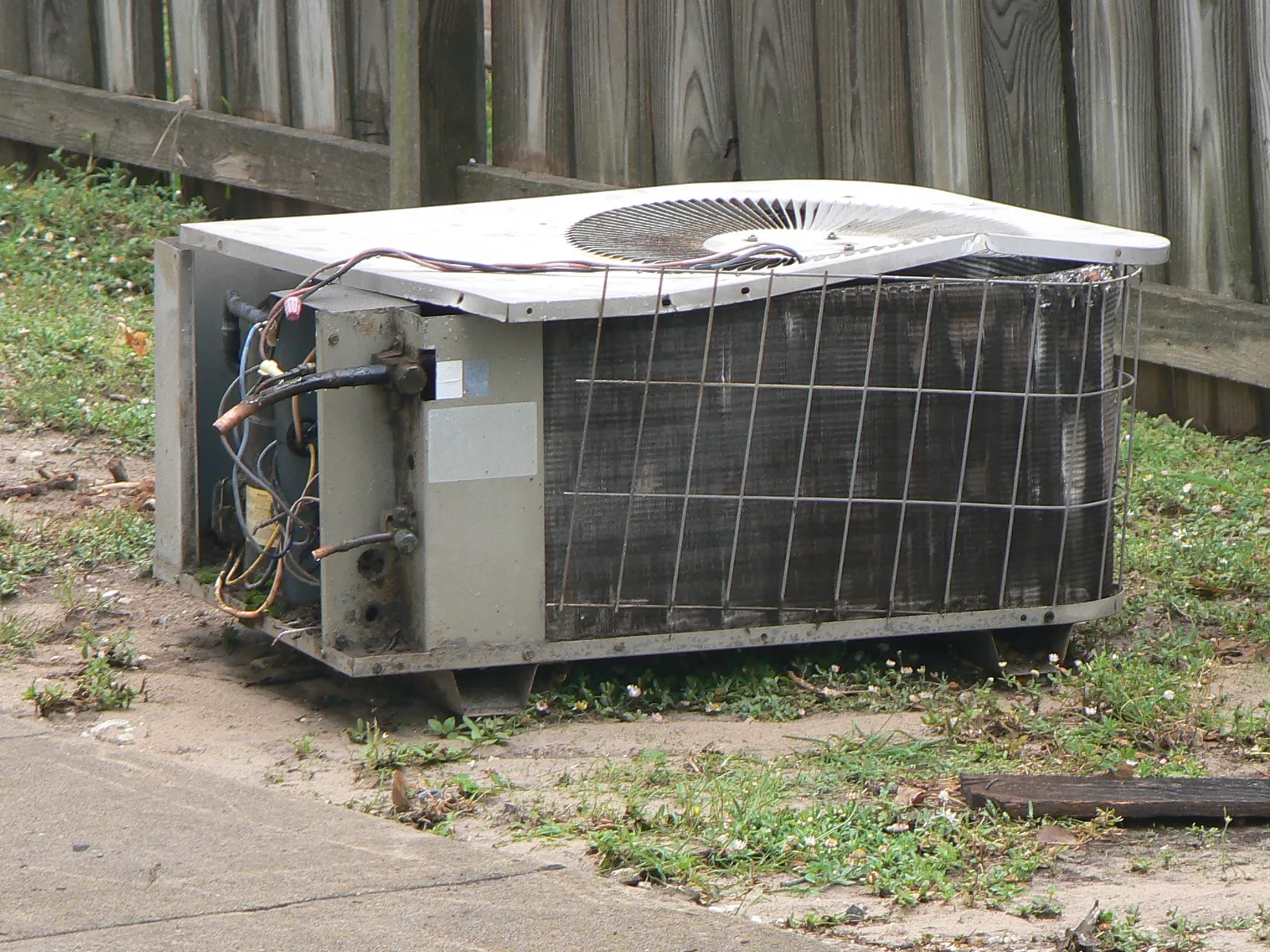
AC repair in Round Rock for central air conditioners, heat pumps running in cooling mode and ductless mini-splits. Most calls come in for the same few things: the house will not cool, the vents blow warm air, the outdoor unit hums but the fan does not spin, ice on the copper line, or a breaker that keeps tripping.
The work covers the outdoor condenser, the indoor coil and air handler, the refrigerant lines between them and the low-voltage controls that tell them when to run. Nearby towns on the same work list are Georgetown, Hutto and Pflugerville, plus the rest of the Round Rock service area.
AC Parts We Repair and Replace
- Run capacitors and dual capacitors, plus hard start kits for compressors that struggle to start
- Contactors, the relay that switches the outdoor unit on and off
- Condenser fan motors and fan blades
- Indoor blower motors and blower wheels
- Compressors and compressor wiring
- Refrigerant leak repair at the evaporator coil, line set, flare joints and service valves
- Expansion valves and other metering devices
- Float switches, condensate pumps and drain lines
- Thermostats, control boards, outdoor disconnects and fuses
A capacitor or contactor is the most common reason an outdoor unit stops in July. Both sit inside the unit's electrical panel and take a beating from heat. A swollen capacitor top or a pitted contactor is a common find on a system that quit in the afternoon.
Why Round Rock Summers Wear Out AC Parts
The nearest NOAA normals station with temperature records sits at Lake Georgetown. Its 1991 to 2020 normals put the average July high near 96 degrees and the August high near 97, with about 112 days a year at 90 or above and about 20 days at 100 or above. Cooling degree days outnumber heating degree days there by a wide margin (NOAA U.S. climate normals). A Round Rock air conditioner runs long cycles from May into October, and that is when weak capacitors, tired fan motors and slow refrigerant leaks show up.
Older Systems and R-22 Refrigerant
The median Round Rock home was built around 2002, and the 2000s were the biggest building decade in the city. Some of those houses still run their first outdoor unit. Older equipment may use R-22, which EPA phased out of production and import (EPA HCFC phaseout page). R-22 systems can still be repaired, but the refrigerant has to come from recovered or reclaimed supply, and that weighs on any repair that needs a full recharge.
Refrigerant Leaks
An air conditioner does not use up refrigerant. If the charge is low, there is a leak somewhere in the sealed system. Federal rules under Clean Air Act Section 608 cover who can handle refrigerant and how it is recovered (EPA Section 608 refrigerant rules). In Texas, air conditioning and refrigeration contractors are registered through the TDLR air conditioning program.
Related work: frozen coils, leaks and airflow problems, AC tune-ups and coil cleaning and heat pump repair for the winter side of the same equipment.
Sources and local offices: EPA Section 608, TDLR air conditioning program, ENERGY STAR maintenance checklist.
AC Repair Questions
Why would my AC be running but not cooling?
The most common causes are a dirty filter or frozen indoor coil, a failed outdoor fan or capacitor, a low refrigerant charge from a leak, or a thermostat set to fan only. Check the filter and the thermostat first, then look at the outdoor unit. If the fan on top is not spinning while the unit hums, turn the system off.
Why is my AC blowing warm air?
Warm air from the vents usually means the outdoor unit is not running or is not moving heat. A tripped breaker, a blown fuse at the outdoor disconnect, a bad capacitor or contactor, or a refrigerant leak are the usual reasons. A clogged drain can also trip a float switch that shuts off cooling while the blower keeps going.
Why is my air conditioner blowing cold air, then warm air, and then cold again?
Cold and warm air in turns points to a system that keeps starting and stopping. An outdoor unit that overheats and resets, a capacitor on its way out, a dirty condenser coil, or a coil that freezes and thaws can all do it. A thermostat in direct sun can also cut cycles short.
What is the most common part to fail on an AC unit?
The run capacitor. It helps the compressor and fan motor start, and heat wears it down. Contactors and condenser fan motors come next.
What are the signs of a bad AC compressor?
Loud clanking or grinding from the outdoor unit, a unit that hums and trips the breaker, warm air even though the fan runs, and a compressor that will not start even with a good capacitor. Some of these also come from smaller electrical parts, so those get ruled out before anyone calls it a compressor.
Can I just add refrigerant to my AC?
Adding refrigerant without finding the leak only buys time, because the charge drains out again. Refrigerant is not burned off like fuel. Handling it also falls under EPA Section 608 rules, so it is work for an HVAC technician, not a homeowner.
Why did my AC just stop working out of nowhere?
Look at the breaker panel, the outdoor disconnect, the thermostat batteries and the drain float switch. A full drain pan or a tripped breaker shuts a system down with no warning. If those check out, a failed capacitor, contactor or control board is likely.
My house won't cool below 75 degrees. What could be the problem?
On a 100 degree afternoon in Round Rock, some systems run all day and still sit at 75 or 76. That can be normal for the equipment size. If it happens on milder days, look at a dirty filter or coil, leaky ducts in a hot attic, a low refrigerant charge, or a unit that is too small for the house.
Should I turn my AC off if it's blowing hot air?
Yes. Running a system that blows hot air can overheat the compressor or freeze the indoor coil. Turn it off at the thermostat, leave the fan on if the coil is iced, and call for a repair.
How to tell if AC is low on refrigerant?
Signs include air that is cool but not cold, ice on the copper line or indoor coil, a hissing or bubbling sound near the lines, and an outdoor unit that runs without stopping. Low charge always means a leak.